
Chinese Medicine and Spring
Spring has arrived and with it we can feel the change of seasonal energy. The days are getting longer and the sun is getting warmer, thank goodness! According to traditional Chinese medicine (TCM), spring is a time of upward and expansive movement of energy, of creativity, of planning and change. Nature expresses this in the new growth in the garden, the buds and blossoms on the trees and the first blooms of spring.
Aligning With The Retrograde Season
Holy retrogrades Batman! With 7 planets currently or soon to be turning backwards in the sky, you can expect a whole lot of flux in your inner and outer worlds for the next little while!
Wild times call for wilder agility and I'm here to help you return to yourself through the chaos and change.
I've had some of the most breakneck speed changes over the last couple of weeks! From having to pivot my Yoga retreat location to an entirely new country, to it doubling in numbers in the same time frame, to once-in-a-lifetime opportunities landing on my plate, to almost daily cancellations of clients also facing trying times keeping up with these wild and chaotic days.
The Link Between Gut & Sleep
It’s well established how important a good night of sleep is for our overall physical, mental and emotional wellbeing. I’m sure you’ve experienced the brain fog, fatigue and lack of concentration that follows a night of restless sleep.
The microbial cells in our digestive system (also known as the gut microbiome) have a large role in supporting our overall health and wellbeing, as they absorb nutrients from the food we eat, produce immune system molecules, influence metabolism, and produce neurotransmitters and other key molecules for our health. Put simply, the more diverse the microbiome, the better your overall health.
Not Sure What To Do? Use Your Brain!
When it comes to healthcare, we are lucky to have a wealth of information and options at our fingertips. If you prefer to be an active participant in your health, one of the best ways is to ask your healthcare practitioners for more information.
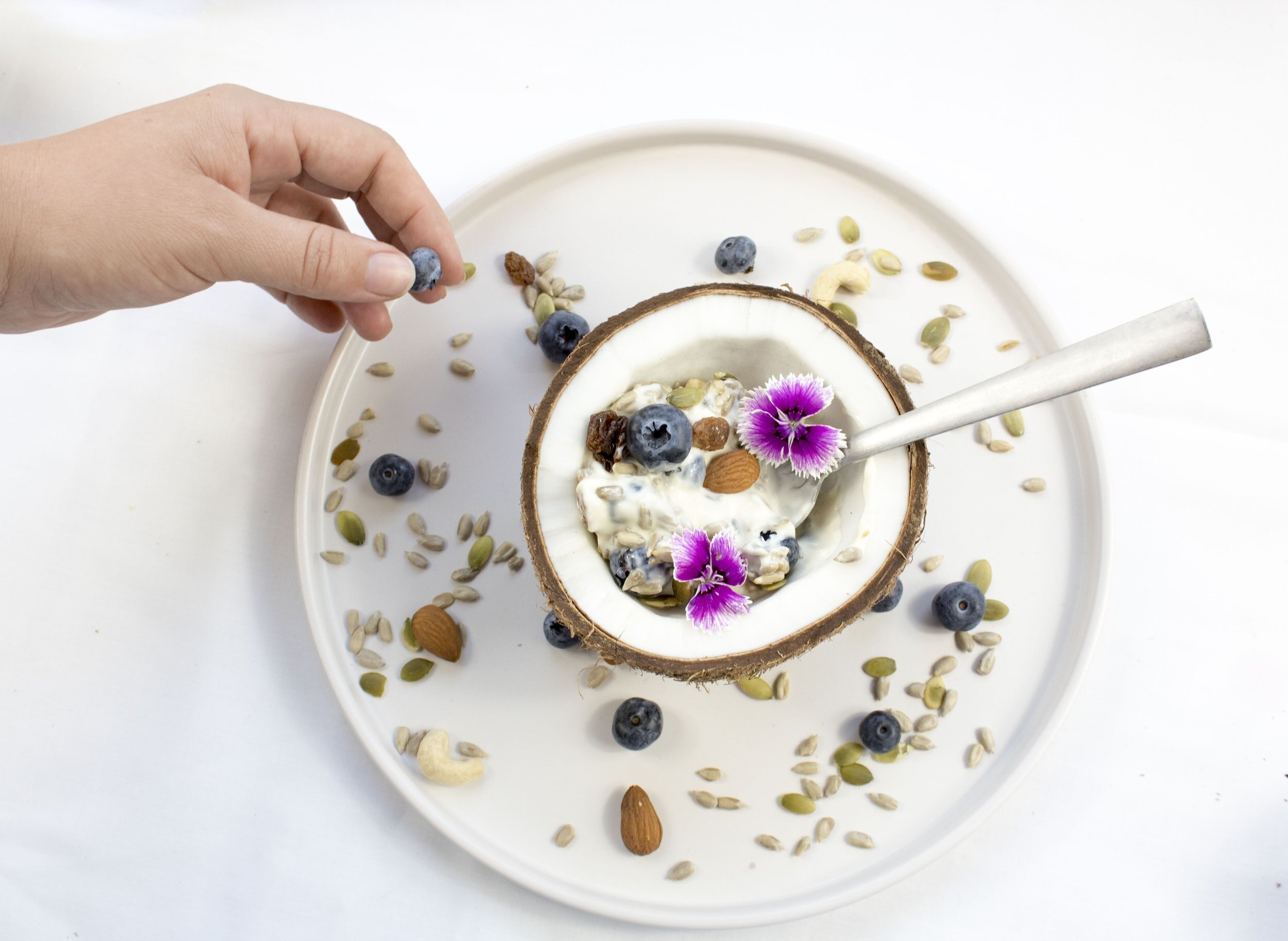
What Is Histamine Intolerance, Could It Be The Cause Of Your Gut Symptoms?
You’ve probably heard of the molecule histamine in relation to allergies and hayfever symptoms. However, histamine serves as more than just a trigger for these conditions. It also functions as a neurotransmitter, playing a role in various bodily processes such as sleep/wake cycles, alertness, arousal, appetite regulation, stress resistance, and anxiety reduction. Additionally, histamine aids in stomach acid production, blood vessel dilation, intestinal muscle contractions, memory, learning, and other vital functions.
What is Osteopathy?
Osteopathy is a holistic health practice focusing on treatment via the structure and function of the body. It was founded in the 1800s by American physician Andrew Taylor Still. Born on the frontiers of European settlement in 1828, Still grew up amongst Indigenous Americans with a Cherokee great grandmother. He trained as a conventional medical doctor and served as a surgeon during the American Civil War but many experiences, including the failure of medicine to save the lives of three of his daughters from spinal meningitis, led to his desire to reform the medicine of his day.
Still took his inspiration from nature as well as indigenous peoples
The Importance of Preconception Care
If you’re thinking of falling pregnant in the future, the optimal time to start preparing your body is at least 6 months before conception to provide the best health outcomes for both mother and baby. The healthier you are, the healthier all of the cells in your body will be – and this applies to the egg and sperm that will form the basis for your baby’s entire life.
How Is Your Energy Feeling?
Hi there beautiful soul, how is your energy feeling?
Your energy is sacred and needs constant attention and protection.
Here are some ways that I find so supportive when it comes to nurturing and protecting our energy.
You Are Designed To Heal
Take you mind back to your childhood and remember all the cuts and scrapes you had, possibly even the bones you broke and the childhood illnesses you navigated. There may be the odd scar here that serve as testament to your healing prowess.
Acupuncture Demystified
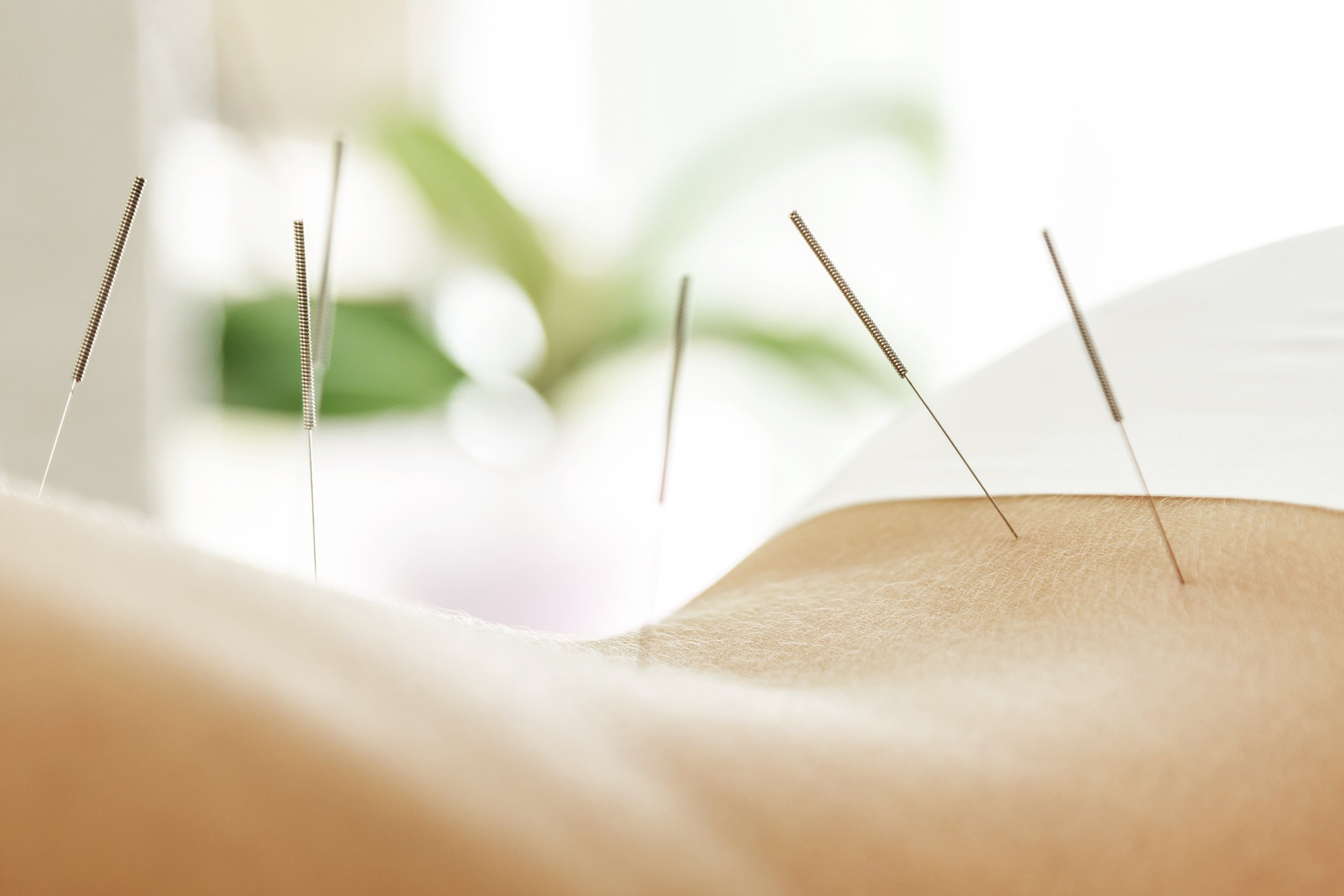
Because acupuncture originated in China, a culture so distinctly different to our own, there is so much that can be ‘lost in translation’. So, let’s clear up some of those key misconceptions.
Acupuncture works on the nerves. True or False?
An acupuncturist’s goal is to restore balance to your vital force (‘chi’ in Chinese). Think of your body as a landscape covered by an interconnected river system. In acupuncture these rivers are called ‘meridians’ and instead of carrying water they carry your vitality. Acupuncture points act like gates controlling the flow of this precious vitality.
Reiki - Energy Healing
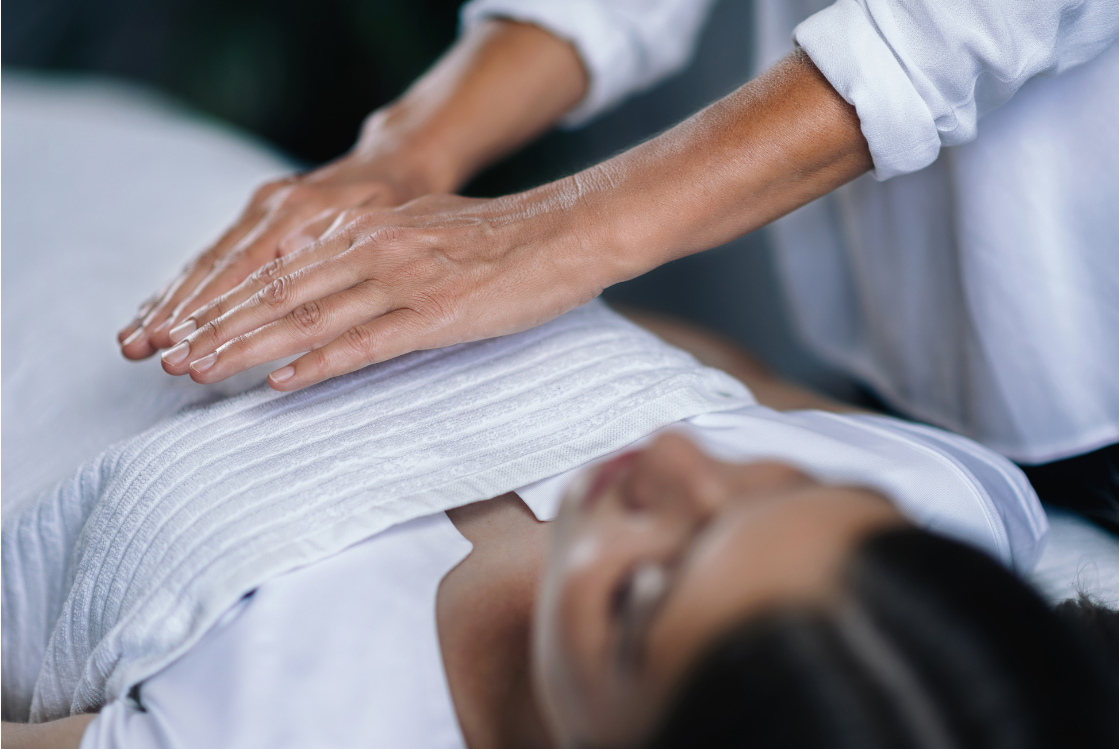
When it comes to our wellness journey, we do things like eat healthy, move our bodies, have a massage and meditate just to name a few. While all of these are absolutely wonderful and nourishing for us. We can often miss the one thing I believe we have ignored and become disconnected to for a long time. Healing our energy. We are energy, we are nature and in order for us to be all we can be here in this life time. Our energy needs to be nurtured, loved and supported.
This is where Reiki can be a beautiful safe and gentle energy healing modality to weave into your wellness toolkit.
You’ve tried Physiotherapy. But have you worked with a Holistic Physiotherapist?
I am a physiotherapist with over 30 years of experience. My work and techniques are constantly evolving, as I hope I am also personally always changing and evolving. Our physical form and state of health is dependent on our being in balance physically, mentally, emotionally & spiritually. What happens to us changes what happens within us. Physical symptoms can be blocks from unprocessed/unresolved energies from mental, emotional or spiritual origin.
A Holistic Perspective on Long COVID
Long COVID is described as COVID related symptoms that last for more than four weeks. Exact figures of who is suffering with long COVID in Australia are not available but researchers at the University of Tasmania estimate up to 300,000 Australians will be dealing with long COVID for at least 3 months this year. They’ll be battling a myriad of symptoms including debilitating fatigue, brain fog, breathlessness, palpitations, cough, joint and or muscle pain, headaches, chest pain, anxiety and depression.
But Why?? Why do my pains keep coming back? Why do I have chronic illness & persistent pain?
Why the skin is an extension of the brain.
We cannot change anything unless we are aware that something needs changing! If you do not know you are doing something, how do you know you may need to change that action/thought/behaviour?
If something is not working in your life then that can be a first sign that change is required, or at least something needs to be brought into your awareness?
Are You A Stress Head?
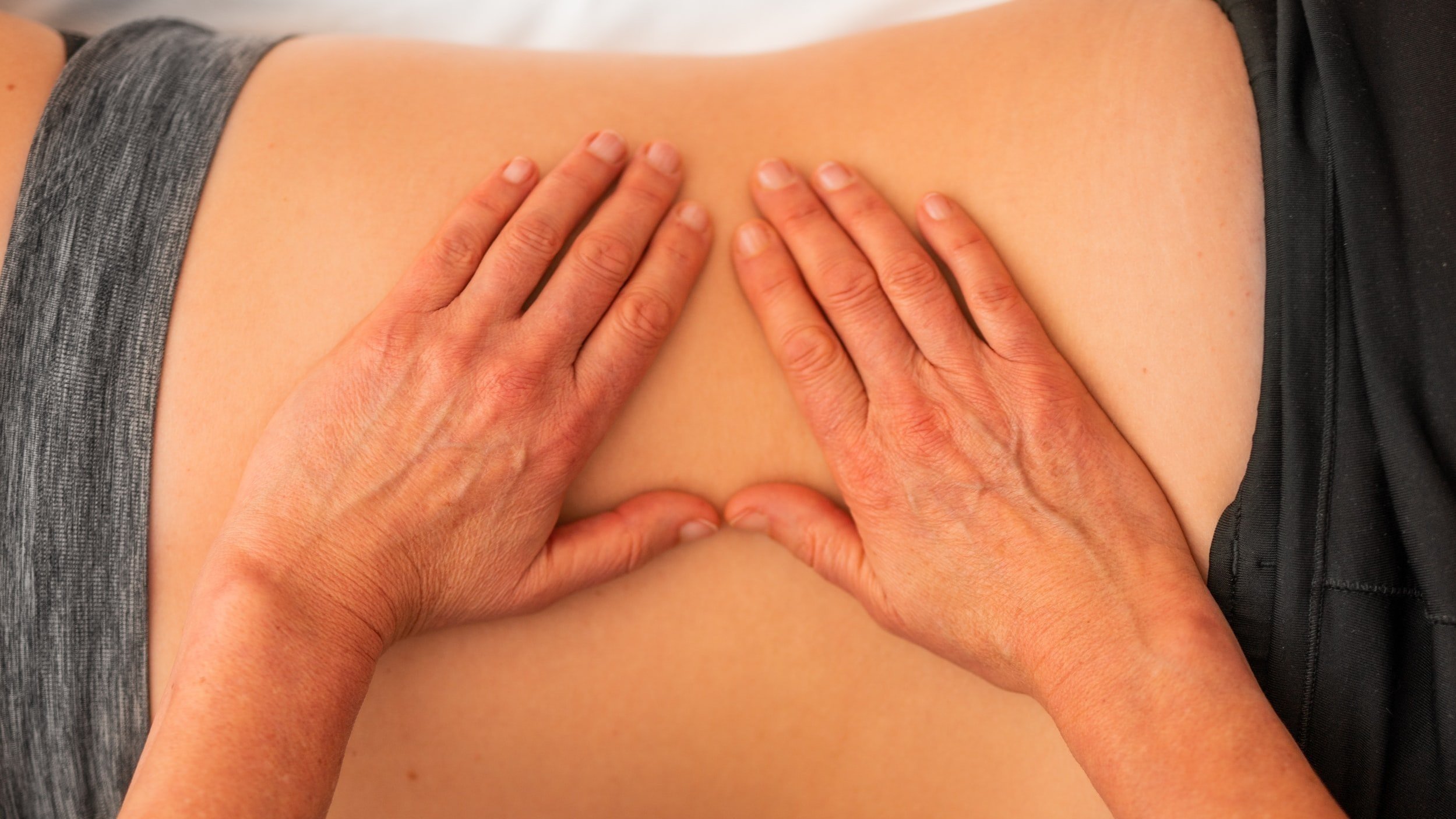
Manage Your Pain With Traditional Chinese Medicine
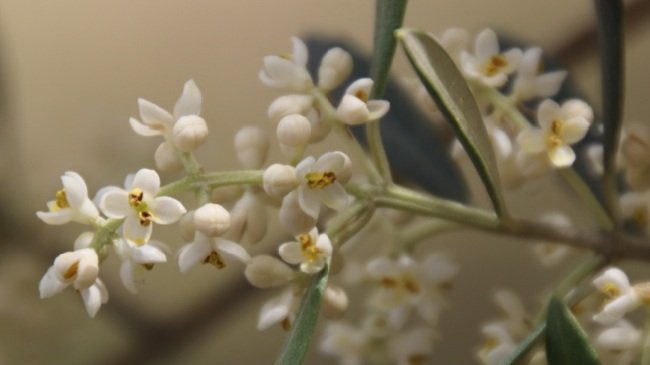
Olive Flower Essence
JOURNEY OF FERTILITY
Healing From The Long Shadow Of Religious And Cultural Conditioning
Want more? Search below to access more great reading.
Join the tribe. Sign up below to receive our wellness blog.